Full Body Magnetic Resonance Imaging (MRI)
Full Body Magnetic Resonance Imaging can help detect asymptomatic conditions such as cancers or aneurysms.
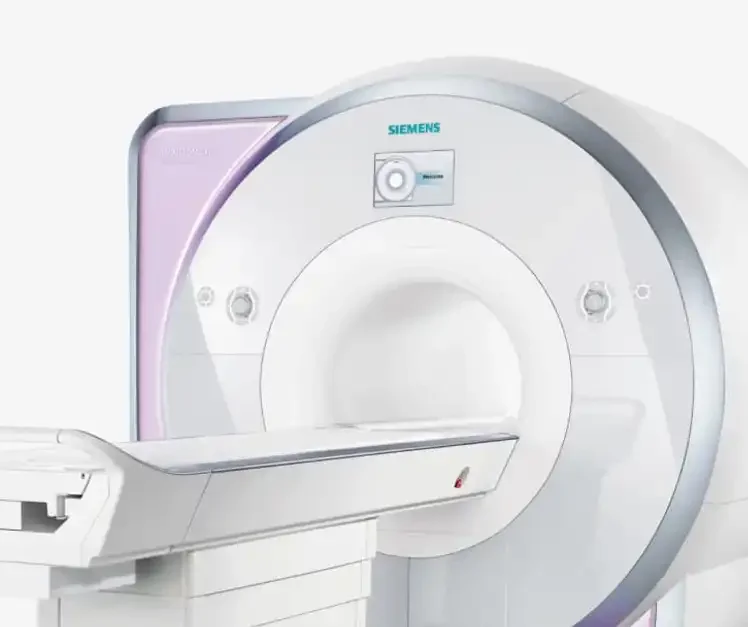
Magnetic Resonance Imaging (MRI) is a type of scan that creates detailed images of your internal structures using magnets and radio waves.
Current guidelines recommend the use of whole body MRI screening, especially for patients with cancer predisposition syndromes¹.
1. Lecouvet, F. E., Chabot, C., Taihi, L., Kirchgesner, T., Triqueneaux, P., & Malghem, J. (2024). Present and future of whole-body MRI in metastatic disease and myeloma: how and why you will do it. Skeletal radiology, 53(9), 1815–1831. https://doi.org/10.1007/s00256-024-04723-2
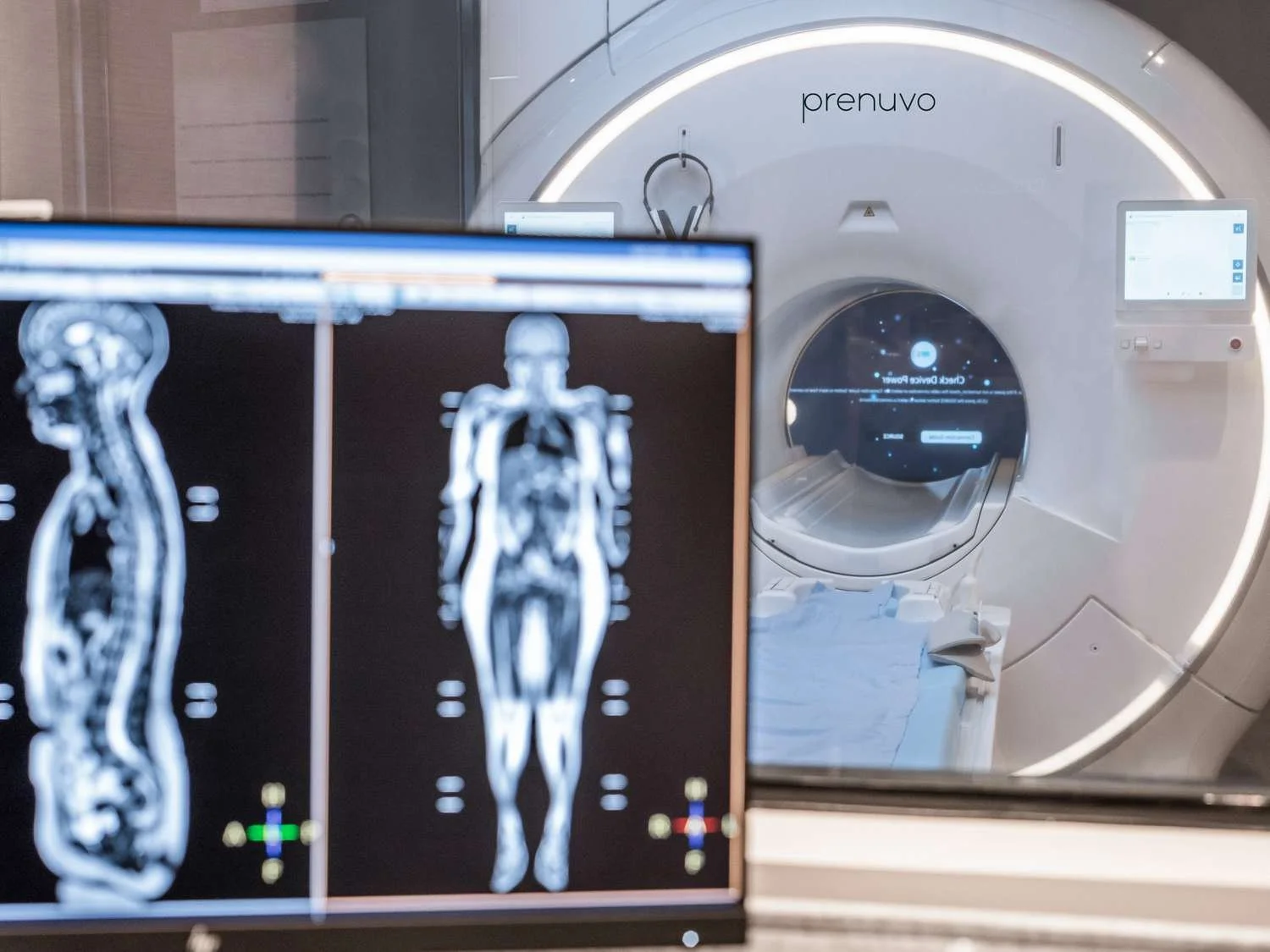
Full Body MRIs are able to check for a variety of diseases and abnormalities throughout your major organs. For example, they can detect:
Early-stage cancers
Brain Aneurysms
Joint Inflammation
Excess Visceral fat (before heart, fatty liver disease or other chronic illnesses begin to develop)
Skin and Muscle Infections
Adrenal masses
Bone metastases